

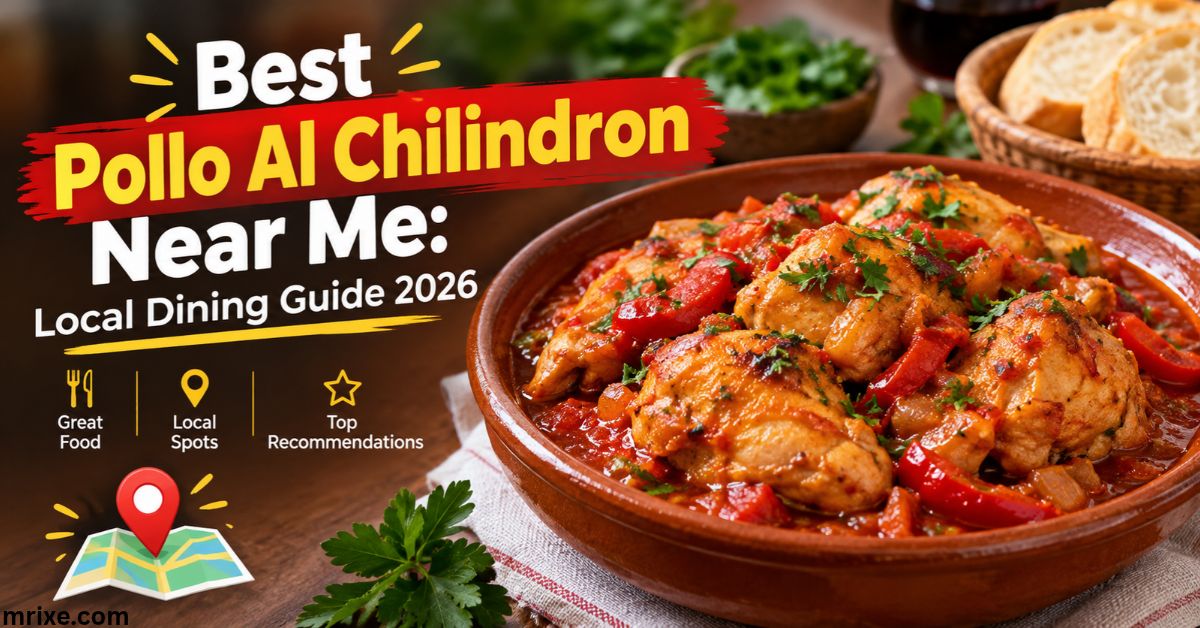
Most Spanish menus in the US lead with paella, patatas bravas, and garlic shrimp. Pollo al chilindrón rarely makes the cut. That’s a shame, because this northern Spanish braise delivers sweet peppers, tender chicken, and a sauce you’ll want to mop up with every scrap of bread.
If you’ve typed “pollo al chilindrón near me” into your phone and found nothing useful, this guide is for you. You’ll learn what real chilindrón looks like, how to spot it on a menu, and how to hunt it down in your city. You’ll also get a fallback plan for the (very real) chance that nobody nearby serves it.
This guide was updated in October 2026. Menus change often, so treat every restaurant tip below as a starting point and confirm with a quick call.
What Is Pollo al Chilindrón?
Pollo al chilindrón is chicken braised in a sauce of sweet red peppers, tomato, onion, and garlic. Cooks in northern Spain have made it for generations. The dish belongs to the regions of Aragón, Navarra, and La Rioja, where peppers grow well and home cooking leans on simple, local ingredients.
You say it roughly as chee-leen-DRONE. Don’t stress about the accent. Any server who knows the dish will understand you.
Here’s the key detail many menus miss. “Chilindrón” names the sauce, not just the chicken. Spanish cooks use the same pepper-and-tomato base on lamb, rabbit, and pork. Lamb is the most famous partner, and cordero al chilindrón appears on plenty of Spanish tables right next to the chicken version. You can read a short overview of the sauce on Wikipedia’s chilindrón page.
A few quick facts:
- Region of origin: Aragón, Navarra, and La Rioja
- Main flavors: Sweet pepper, ripe tomato, garlic, and often smoky paprika
- Typical cooking method: Brown the chicken first, then simmer it in the sauce
- Typical cook time at home: About one hour
- Heat level: Usually mild
Think of it as Spain’s answer to a cozy Sunday stew. It isn’t fancy. It’s just deeply satisfying.
Real Chilindrón vs. Look-Alikes on the Menu
Restaurants sometimes slap “chicken in tomato sauce” on a menu and call it a day. Others borrow the name loosely. Knowing the real thing helps you order with confidence.
An authentic plate has a red-orange sauce with soft strips of pepper. The chicken is usually bone-in. Many traditional versions cook cured ham (jamón) into the base for salt and depth. Some cooks add a spoonful of pimentón (Spanish paprika) for color and a gentle smoky note.
Here’s how chilindrón compares with two dishes people often confuse it with:
| Dish | Origin | Key ingredients | Typical flavor |
|---|---|---|---|
| Pollo al chilindrón | Aragón, Navarra, La Rioja (Spain) | Red peppers, tomato, onion, garlic, often cured ham, paprika | Sweet, savory, lightly smoky |
| Chicken cacciatore | Italy | Tomato, onion, bell pepper, often wine, herbs, mushrooms | Herby, wine-forward |
| Pollo a la vasca (Basque-style chicken) | Basque Country (Spain) | Chicken, peppers, tomato, often ham and white wine | Savory, slightly sharper |
Notice the overlap. All three are braised chicken with tomato. The sweet pepper focus and the cured ham set chilindrón apart. If a menu describes cream, melted cheese, or breaded chicken cutlets, that’s not chilindrón.
The Ingredients That Define Authentic Chilindrón
Few ingredients go into this dish. That’s the beauty of it. Quality matters more than quantity, so each component needs to pull its weight.
| Ingredient | Role in the dish | What to look for |
|---|---|---|
| Chicken | The star protein | Bone-in thighs and drumsticks, skin-on, browned before braising |
| Red peppers | Sweetness and body | Fresh, roasted, or jarred piquillo peppers |
| Tomato | Acidity and color | Ripe tomatoes or good canned tomatoes |
| Onion and garlic | Flavor base | Cooked slowly until soft and sweet |
| Jamón or cured pork | Salt and depth | Common in traditional Aragonese versions |
| Olive oil | Cooking fat | Spanish extra virgin olive oil |
| Pimentón (paprika) | Color and smoke | Sweet or smoked, depending on the cook |
Recipes vary by cook and by village. No single version holds the title of “the” correct one. Still, the table above covers the common ground you’ll find across northern Spain.
Why the Chicken Cut Matters in Chicken Chilindrón
Bone-in, skin-on thighs and legs make the best chilindrón. Dark meat stays juicy through a long simmer. Chicken breast dries out fast and turns stringy.
The bone also adds body to the sauce. As the chicken braises, collagen melts into the liquid and gives it a silky feel. That’s why a good plate has sauce that clings to the meat instead of running off like soup.
If a restaurant serves chilindrón with plain boneless breast chunks, you’re likely getting a shortcut.
Peppers: Fresh, Roasted, or Piquillo
Peppers give chilindrón its soul. Many Spanish cooks use roasted red peppers or piquillo peppers, a small, sweet, triangle-shaped pepper from Navarra. The town of Lodosa in Navarra is famous for them, and they carry a protected designation of origin. You can learn more on the piquillo pepper Wikipedia page.
Piquillos taste sweet with a faint smoke from roasting. They’re not hot. That fits chilindrón perfectly.
Cured Ham and Paprika Add the Depth
Traditional Aragonese recipes often fry diced jamón with the onions. The ham releases salt and savory flavor into the oil. Then the peppers and tomato go in.
Paprika brings the other half of the flavor. Pimentón de la Vera, a smoked paprika from Extremadura, shows up in many Spanish kitchens. A small spoonful turns a simple tomato sauce into something deeper and warmer.
Regional Variations of Chicken Chilindrón
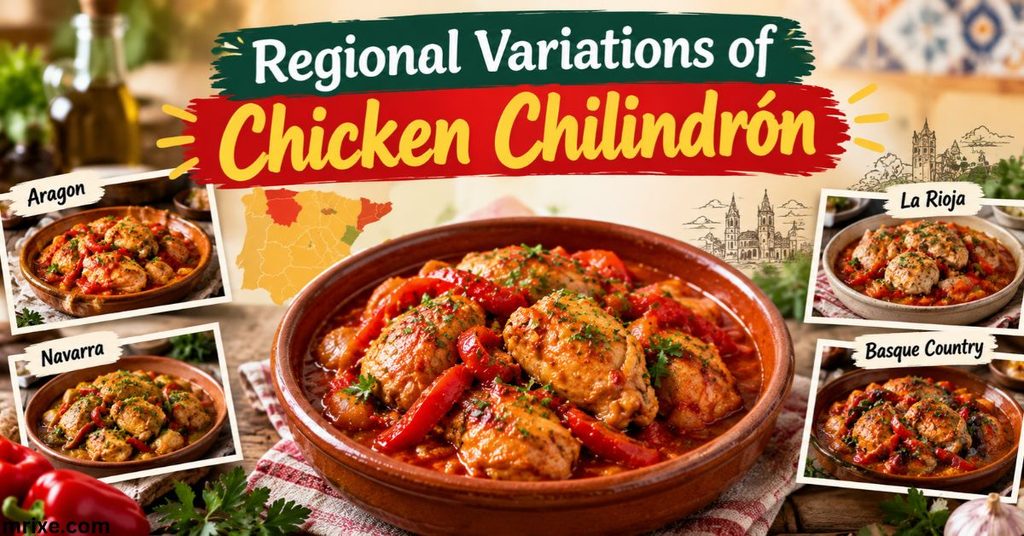
Spain isn’t one flavor. Even inside the chilindrón family, you’ll find shifts from place to place.
- Aragón: This is the classic reference point. Cooks often include cured ham and sometimes a splash of wine.
- Navarra: Pepper-forward versions shine here. Local piquillos often appear.
- La Rioja: Wine country adds a nod to local reds or whites in some kitchens.
- Lamb chilindrón (cordero al chilindrón): The sister dish. Lamb replaces the chicken and simmers in the same sweet-pepper sauce.
- Rabbit and pork versions: Home cooks across the north use these too.
Spanish influence also traveled across the Atlantic. In Puerto Rico and the Dominican Republic, you’ll find stews called chilindrón, usually made with goat or pork. These Caribbean versions often rely on sofrito, olives, or capers, so the flavor differs from the northern Spanish original. Both are delicious. They just aren’t the same dish.
Why Pollo al Chilindrón Near Me Is Hard to Find
Let’s be honest. If you search for pollo al chilindrón near me in most US cities, you’ll get thin results. A few reasons explain why.
It’s a home-style braise. Restaurants love dishes they can plate fast. A bone-in braise takes about an hour and doesn’t fit a quick-turn kitchen.
Spanish menus chase the greatest hits. Owners often choose crowd-pleasers such as paella, croquetas, and jamón platters. Regional home dishes get left behind.
Margins matter. Chicken thighs cost less than seafood. Diners may also expect a lower price for chicken. That makes it a hard sell on a tapas-heavy menu.
Chains almost never serve it. Large restaurant groups rarely stock the ingredients or build the recipe into their systems.
What does this mean for you? Set realistic expectations. You may need to drive to a bigger city. You may need to call ahead. Or you may land on a daily special that disappears by Friday. That’s part of the fun.
How to Find the Best Pollo Al Chilindron Near Me
Finding the best pollo al chilindron near me takes more than one search. Follow this method and you’ll improve your odds a lot.
Start With Smart Google Maps Searches
Don’t just search the English phrase. Try several variations, one at a time:
- “pollo al chilindrón”
- “pollo chilindron” (without the accent)
- “chicken chilindron”
- “chilindrón”
- “Aragonese chicken”
- “Spanish restaurant” plus your city
Restaurants don’t always type the accent mark. That’s why searching without it matters.
Focus on the Right Kinds of Restaurants
Start with these categories:
- Spanish restaurants with a full dinner menu (not just tapas)
- Basque and Navarran restaurants
- Riojan or Aragonese spots if your city has them
- Spanish markets with prepared food counters
- Catering kitchens run by Spanish chefs
Tapas bars can serve it too. They just tend to focus on small bites.
Read the Restaurant’s Own Menu
Third-party delivery apps often show outdated menus. Go to the restaurant’s official website first. Look for the dish under platos principales (main dishes) or especiales (specials).
Also check the date on the menu. A PDF from 2023 won’t help you in 2026.
Search Reviews for the Dish Name
On Google Maps, open the restaurant page and use the search reviews box. Type “chilindron.” If diners mention the dish, you’ve found a good lead. If nobody has mentioned it after hundreds of reviews, it probably isn’t on the menu.
Watch Instagram and Facebook for Specials
Chilindrón often appears as a plato del día (dish of the day) instead of a permanent item. Restaurants post these specials on social media. Scroll through recent posts or stories for a photo of red-orange chicken in a clay dish.
Call and Ask Three Questions
A two-minute call beats an hour of scrolling. Here’s a simple script:
“Hi, do you serve pollo al chilindrón right now? Is it made with bone-in chicken? And do you make the sauce in house?”
Those three questions filter out shortcuts. A proud kitchen will answer happily. A confused answer tells you plenty too.
Case Study: A Worked Search in a Mid-Sized City
Here’s an illustrative example of how this method plays out. The scenario below is a composite walkthrough, not a report on a specific restaurant.
Imagine you live in a mid-sized US city with three Spanish restaurants.
Step one. You search “pollo al chilindrón” on Google Maps. Nothing appears.
Step two. You search “chilindron” with no accent. One restaurant pops up through a review that mentions “the chilindrón chicken special.”
Step three. You check that restaurant’s website. The dish isn’t on the printed menu.
Step four. You check Instagram. A post from two weeks ago shows a clay dish of chicken with red peppers. The caption says “Sunday special.”
Step five. You call. The host confirms the kitchen serves it on Sundays only. It uses bone-in thighs and a house sauce with jamón.
You’d have missed this by searching once. The lesson is simple: combine searches, reviews, social posts, and a phone call. Each step covers a gap the others leave.
Quality Checklist: What a Good Plate Looks Like
Once the plate lands on your table, use this checklist. A great pollo al chilindrón shows these signs:
- Tender chicken that pulls from the bone but still holds together
- Sauce that coats the meat instead of pooling like soup
- Sweet pepper flavor that leads the taste
- Mild heat (a gentle warmth at most)
- Visible pieces of pepper and soft onion
- Savory depth from cured ham or good seasoning rather than bouillon
Watch for these red flags:
- Neon-orange sauce (often a sign of shortcuts or food coloring)
- Dry, rubbery boneless breast chunks
- Heavy cream in the sauce
- Melted cheese on top
- Sauce that tastes only of canned tomato paste
Remember, you’re allowed to politely ask questions. If something tastes off, tell your server kindly.
What to Expect When You Order Pollo al Chilindrón
Spanish kitchens serve chilindrón as a main dish. Expect several pieces of bone-in chicken or half a chicken in the sauce. Restaurants often serve it in a clay dish (cazuela) so it stays warm at the table.
Here are some menu terms worth knowing:
| Term | Meaning |
|---|---|
| Ración | A full-size portion meant to share or serve as a main |
| Media ración | A half portion |
| Plato del día | Dish of the day |
| Cazuela | A clay cooking dish |
| Pimentón | Spanish paprika |
| Jamón | Cured ham |
On price, expect a US Spanish restaurant to charge roughly $22 to $35 for a chicken main, depending on the city and the restaurant’s style. Higher-end spots in major cities can run above that. Prices shift often, so check the current menu before you go.
Ask whether bread comes with the dish. If it doesn’t, order some. You’ll want it for the sauce.
What to Order With Pollo al Chilindrón
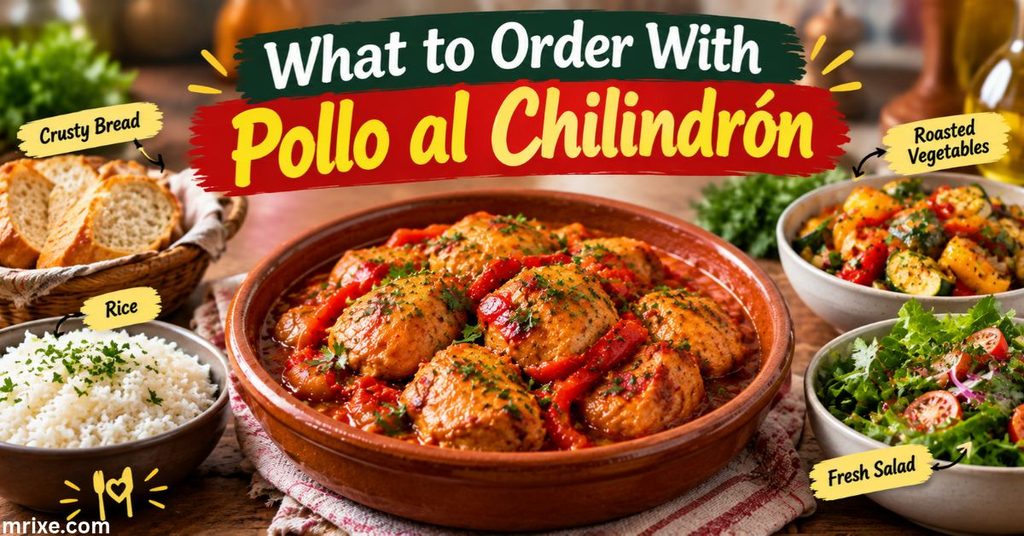
The sauce is the hero here. Choose sides that soak it up or balance its sweetness.
Best side dishes:
- Crusty bread: Non-negotiable for dunking
- Patatas fritas or roasted potatoes: Crispy edges love red sauce
- White rice or saffron rice: A clean base for every drop
- Simple green salad: A sharp, lemony salad cuts through the richness
- Sautéed greens or green beans: A fresh, light contrast
Wine ideas:
- Rioja (a young joven or crianza red): Soft fruit suits the sweet peppers. You can explore the region on the official Rioja wine site.
- Navarra rosado (rosé): A classic local match for pepper dishes
- Light red or dry rosé: A good fallback if the list is short
A tip from the table: skip heavy, oaky reds. They can overpower the gentle sweetness of the peppers.
Restaurant-Style vs. Homemade Chilindrón
Both can be wonderful. They just shine in different ways.
| Factor | Restaurant version | Homemade version |
|---|---|---|
| Time | None (you just eat) | About 1 hour |
| Cost | Higher per plate | Lower per serving |
| Authenticity | Depends on the chef | You control every detail |
| Availability | Rare in the US | Always available |
| Customization | Limited | Fully flexible |
A skilled Spanish cook makes a restaurant plate that’s hard to match at home. Yet a careful home cook can come close. If your city has no good options, cooking it yourself becomes a fun weekend project.
No Restaurant Near You? Your Backup Options
Don’t give up if the search comes up empty. Try these routes:
- Visit Spanish markets and delis. Some sell prepared meals, and a few stock jarred piquillo peppers and Spanish ham for home cooking.
- Look for pop-ups and supper clubs. Spanish and Basque chefs often run these. Check Instagram and local food newsletters.
- Ask a restaurant for a pre-order. Some kitchens will make it for a group booking if you call a few days ahead.
- Hire a caterer. Catering menus often include regional dishes that don’t appear on dining room menus.
- Cook it yourself. The recipe below keeps things simple.
A Simple Homemade Pollo al Chilindrón
This quick version follows the traditional method. It serves four.
Ingredients:
- 8 bone-in, skin-on chicken thighs (about 3 pounds)
- 3 tablespoons Spanish extra virgin olive oil
- 3 ounces diced serrano ham or other cured ham
- 1 large onion, sliced
- 4 garlic cloves, minced
- 3 red bell peppers (or 1 jar of piquillo peppers), cut into strips
- 1 can (14 ounces) crushed tomatoes
- 1 teaspoon sweet or smoked paprika
- Salt and black pepper
- A splash of white wine or chicken stock (optional)
Steps:
- Season and sear. Salt the chicken and brown it in olive oil over medium-high heat. Cook about 4 minutes per side. Set it aside.
- Build the base. In the same pan, cook the ham for 2 minutes. Add the onion and cook until soft. Stir in the garlic.
- Add peppers. Cook the pepper strips for about 8 minutes until they soften.
- Add tomato and paprika. Stir in the crushed tomatoes and paprika. Simmer 5 minutes.
- Braise. Return the chicken to the pan. Cover and simmer on low for 35 to 40 minutes.
- Check the temperature. USDA guidelines call for chicken to reach 165°F. Many cooks let thighs go higher so the meat turns fully tender.
- Serve. Spoon sauce over each piece and serve with bread or rice.
You’ll find the sauce reduces nicely during the last ten minutes. Uncover the pan if it looks thin.
Dietary Notes for Chicken Chilindrón
People often ask what’s safe for special diets. Here’s a clear breakdown for the traditional dish:
| Diet | Traditional status | What to ask |
|---|---|---|
| Dairy-free | Usually yes (olive oil, no cream) | Confirm no butter or cheese |
| Gluten-free | Depends | Ask whether the chicken gets dredged in flour |
| Low-carb | Moderate | Skip bread and rice |
| Pork-free | Often no | Many versions use cured ham |
| Vegetarian | No | Chicken and ham are core |
A typical bone-in serving with skin falls roughly in the 400 to 550 calorie range. Exact numbers shift with portion size and oil. Treat that as a ballpark rather than a label.
If you have a serious allergy, speak directly with the kitchen. Don’t rely on tradition alone.
Track Your Finds: A Simple Verification Template
Menus change quickly. A reliable list only helps if you check it. Use this table to keep your own record of places that serve the dish, and update it each time you call or visit:
| Restaurant | City | Dish name on menu | Bone-in? | Price | How you verified | Date checked |
|---|---|---|---|---|---|---|
| (Name) | (City) | (e.g., Pollo al Chilindrón) | Yes/No | ($) | Called / saw menu | (Date) |
Only add a restaurant once you’ve confirmed the dish through a phone call or a current menu. Re-check every few months. Restaurants rotate specials and sometimes drop dishes without notice.
Frequently Asked Questions About Pollo al Chilindrón
Is pollo al chilindrón spicy?
Usually not. The flavor comes from sweet peppers and tomato. Some cooks add a pinch of chili or hot paprika. Ask your server if you’re sensitive to heat.
What’s the difference between chilindrón and cacciatore?
Both dishes braise chicken in tomato sauce. Chilindrón centers on sweet red peppers and often includes cured ham. Cacciatore is Italian and commonly uses wine, herbs, and mushrooms.
Can I find pollo al chilindrón at Mexican or Latin restaurants?
Rarely at Mexican restaurants. Some Spanish-influenced Caribbean kitchens make related chilindrón stews, but they often use goat or pork. Always ask what’s in the dish.
Is pollo al chilindrón gluten-free or dairy-free by default?
The sauce is traditionally dairy-free because it relies on olive oil. Gluten depends on the cook. Some dredge the chicken in flour before browning. Check with your server.
How do I order it if the menu doesn’t list it?
Call ahead. A few kitchens will prepare it for a party or a pre-order. Ask at least two or three days in advance.
What’s the best time to find it on a menu?
Weekends and cooler months often bring braised dishes to the specials board. Fall and winter menus tend to feature them more than summer menus do.
Does pollo al chilindrón reheat well?
Yes. Braises often taste better the next day because the flavors settle. Warm it gently on the stove with a splash of water or stock.
Final Thoughts on Finding Pollo al Chilindrón Near You
Pollo al chilindrón won’t jump out at you on most menus. It rewards the diner who looks a little harder. Search with several spellings. Check menus, reviews, and social media. Then pick up the phone and ask.
When you do find a plate, check for bone-in chicken, a sweet pepper sauce, and a tender, glossy finish. Order bread. Order a Rioja or a rosado. Take your time.
And if your city comes up empty, the homemade version is a solid second place. Your kitchen might just become the best pollo al chilindron near me after all.
Know a spot that serves it? Share it with fellow readers so the next hungry searcher has an easier time.

Nathan Cooper is a humor writer who enjoys creating clever puns, witty jokes, and lighthearted content that brings smiles to readers. He loves sharing fresh, family friendly humor that’s fun, engaging, and easy to enjoy.